

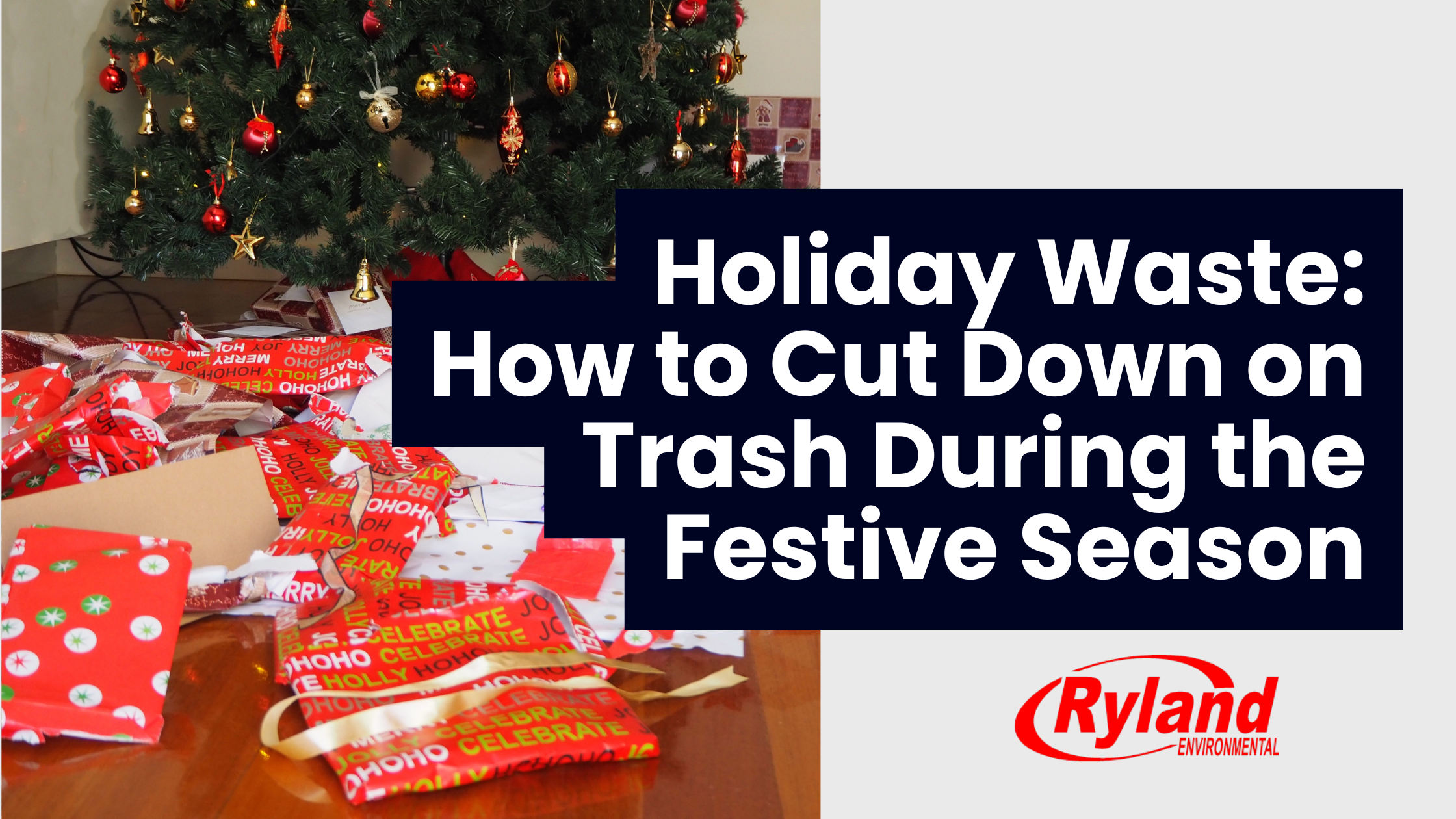
Holiday Waste
Holiday waste spikes by roughly 25% between Thanksgiving and New Year’s in the U.S., but with some planning you can dramatically cut what ends up in your trash can while still enjoying the season. From gift wrap to food scraps, small shifts in how you shop, celebrate, and clean up add up to less environmental impact and a lighter curbside cart.
Why Holiday Trash Matters
Americans generate about 25% more household waste during the holidays, adding roughly one million extra tons of trash to landfills each week. A large share of this surge comes from packaging, shipping boxes, wrapping paper, decorations, and single-use party supplies that are used once and then discarded. All of this additional waste requires energy to collect, transport, and process, which in turn creates greenhouse gas emissions and puts extra pressure on landfills and natural resources.
Smarter Gift Giving
Choosing more intentional gifts is one of the easiest ways to reduce holiday waste. Experiences such as concert tickets, memberships, classes, or local restaurant and spa gift cards generate memories instead of clutter and usually come with little or no physical packaging. When you do give physical items, it helps to focus on practical, durable products or secondhand and locally made gifts that come with minimal packaging and are more likely to be used for years rather than months. Skipping novelty presents that may quickly be discarded and making donations in someone’s name to a cause they value can further cut down on unwanted items and the waste they create.
Rethinking Wrapping and Packaging
Wrapping paper and packaging contribute significantly to holiday trash, with millions of rolls of often non-recyclable wrap heading to landfills each year because of added foil, plastic coatings, or glitter. A simple way to reduce this is to reuse what you already have, such as paper bags, old maps, newspaper, saved gift bags, or packaging from online orders, and even fabric wraps that can be folded and passed along year after year. When you do purchase new supplies, choosing plain recyclable paper, recycled-content wrapping, reusable cloth bags, and natural touches like twine, dried oranges, or greenery instead of plastic bows helps cut waste while keeping gifts looking festive.
Cutting Food Waste at Gatherings
Holiday meals are another big source of seasonal waste, generating well over a million additional tons of food discards nationwide and requiring tens of thousands of extra garbage truck trips to landfills. Planning menus carefully by counting guests and realistically estimating how much people will eat lets you buy and cook closer to what you actually need, which reduces both cost and leftovers that never get eaten. After the meal, sending guests home with leftovers, freezing extra portions for future dinners, and composting appropriate food scraps where possible can significantly cut what ends up in the trash.
Decorations, Parties, and Clean‑Up
Decorations and parties can either create a lot of trash or almost none, depending on the choices you make. Reusable decor such as string lights, fabric banners, durable ornaments, and fresh or reusable greenery can be stored and enjoyed year after year, avoiding the constant cycle of disposable plastic streamers, balloons, and single-season trinkets. When hosting gatherings, using real dishes, cups, and cloth napkins instead of disposables dramatically reduces waste; if reusables are not an option, selecting recycled-content paper products and steering clear of foam helps lower the environmental impact. Thoughtful clean-up is just as important, which means breaking down and recycling cardboard boxes, keeping plastic bags and tangling items like lights out of curbside recycling, and taking advantage of local drop-off or special collection programs for trees, lights, and other hard-to-handle items when they are available.