

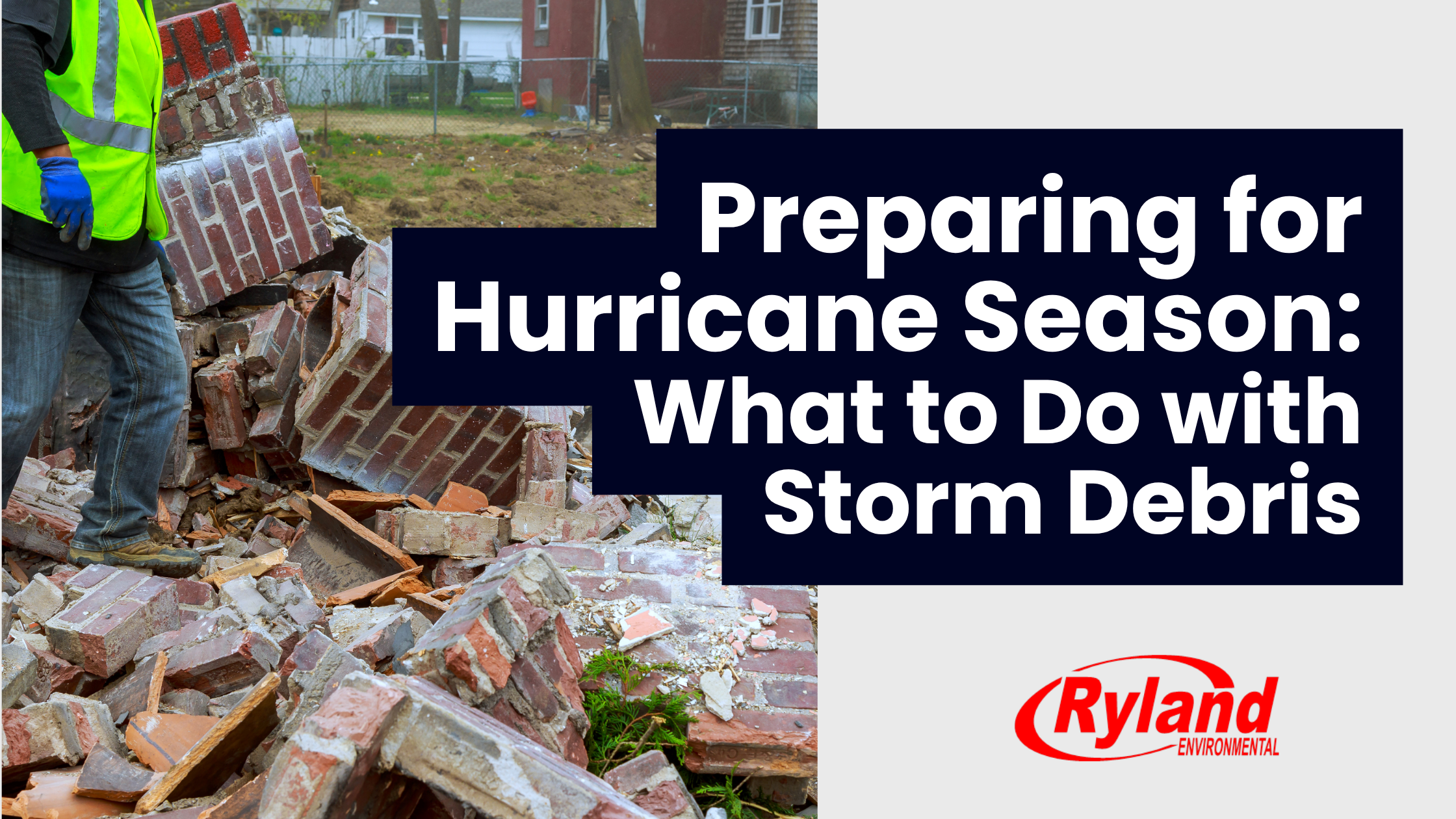
Preparing for Hurricane Season: What to Do with Storm Debris
In South Georgia, hurricane season isn’t something you wait to think about until a storm is already on the radar. Strong winds, heavy rain, and fallen trees can leave behind more than just inconvenience—they can create serious cleanup challenges for homeowners and businesses alike. Knowing how to handle storm debris ahead of time can make the recovery process faster, safer, and far less overwhelming.
Start with a Cleanup Plan Before the Storm
Preparation goes beyond stocking up on supplies. Before hurricane season begins, take a few minutes to think through how you’ll handle debris if your property is hit. Trim weak tree limbs, secure outdoor items, and identify a safe area where debris can be temporarily placed after a storm passes. Having a plan in place helps you avoid scrambling when conditions are already stressful.
It’s also a good idea to look into local disposal guidelines in advance. Many South Georgia communities have specific rules for separating yard debris, construction materials, and household waste after a storm, especially when municipal crews are involved in cleanup.
Prioritize Safety During Cleanup
After the storm clears, safety should always come first. Storm debris can include sharp materials, unstable tree limbs, broken glass, and even hazardous waste. Wearing gloves, sturdy boots, and protective gear is essential when starting the cleanup process.
Be cautious around large debris, especially fallen trees or damaged structures. If something looks unstable or too heavy to handle safely, it’s best to leave it to professionals. Rushing cleanup can lead to injuries, which only adds to the stress of storm recovery.
Separate and Sort Debris Properly
One of the most important steps in storm cleanup is sorting debris into categories. Keeping materials separated—such as yard waste, construction debris, and household trash—makes disposal more efficient and helps ensure everything is handled correctly.
For example, tree branches, leaves, and natural debris are often collected differently from building materials like shingles, drywall, or fencing. Mixing everything together can delay pickup or require additional sorting later, slowing down your recovery timeline.
Consider a Dumpster Rental for Faster Recovery
When debris starts piling up, curbside pickup may not be enough—especially after a major storm. A dumpster rental gives you a central place to dispose of debris as you clean, helping you keep your property organized and safe.
This is particularly helpful for larger cleanups involving roofing materials, damaged furniture, fencing, or multiple fallen limbs. Instead of waiting on multiple pickups or making repeated trips to a disposal site, you can manage everything in one place and work at your own pace.
For homeowners preparing to sell or repair storm damage, having a dumpster on-site can also speed up the process and keep projects moving without interruption.
Know What Requires Special Disposal
Not all storm debris can go into a standard dumpster or be left at the curb. Items like electronics, paint, fuel, and certain appliances may require special handling. Flood-damaged materials can also fall into different disposal categories depending on local regulations.
Checking ahead for restricted items—or working with a provider who can guide you—helps you avoid delays and ensures everything is disposed of safely and responsibly.
Knowing What to Do with Storm Debris
Storm cleanup is never easy, but having the right approach can make a difficult situation more manageable. By planning ahead, staying safe, and using the right disposal solutions, you can take control of the cleanup process and get your property back to normal faster.
In a region like South Georgia, where hurricane season is a yearly reality, preparation isn’t just helpful—it’s essential. And when the time comes, having a reliable way to handle storm debris can make all the difference.