

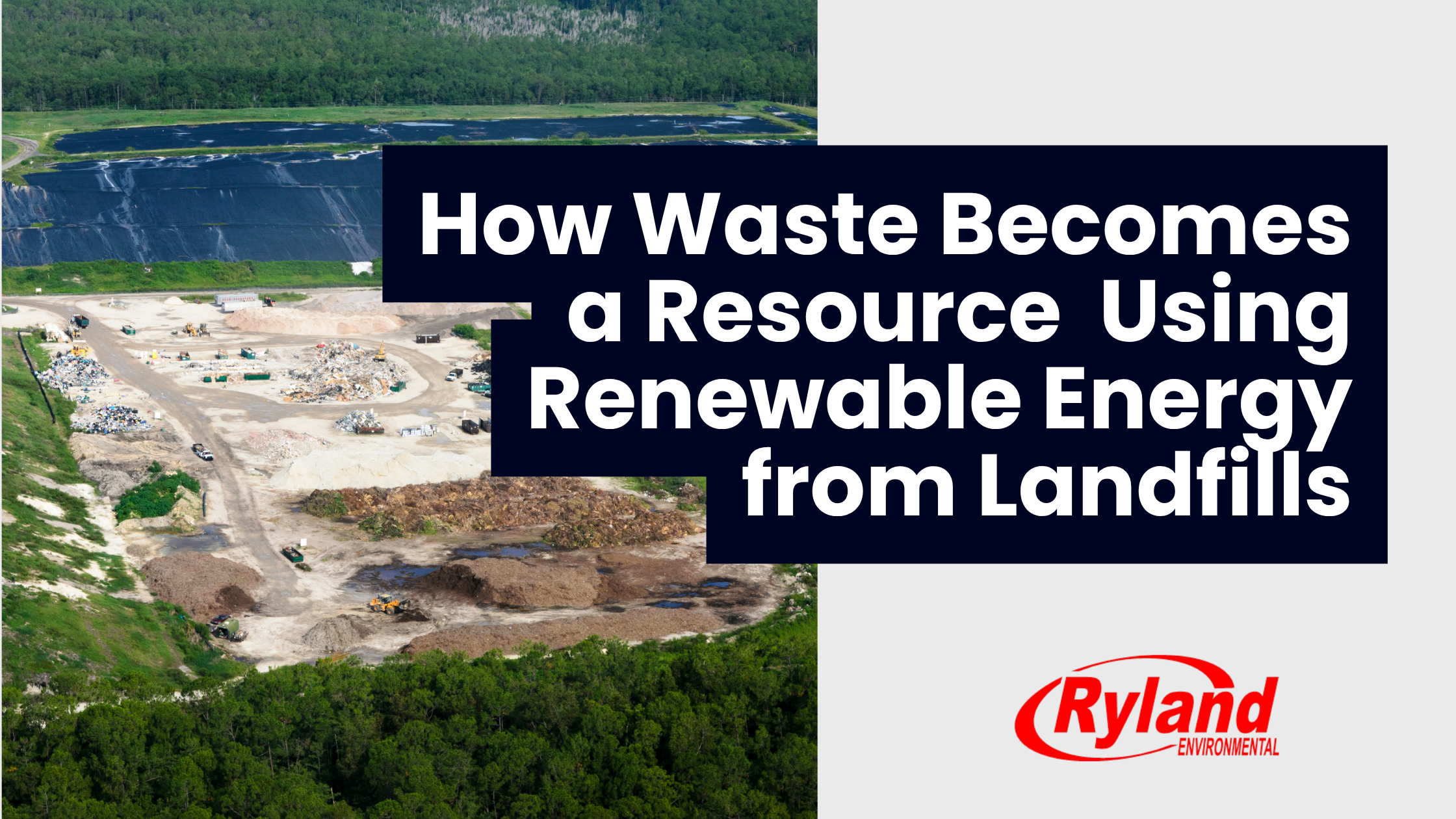
How Waste Becomes a Resource Using Renewable Energy from Landfills
When people think about landfills, they usually think about the end of the road for trash. But modern landfills can do more than store waste. With the right systems in place, they can capture gas from decomposing materials and turn it into renewable energy from landfills, creating a useful product from something that would otherwise be lost.
How Landfill Gas Works
As organic waste breaks down in a landfill, it releases gas over time. That gas is made up mostly of methane, which is a potent greenhouse gas if it escapes into the air. Instead of letting it go to waste, many landfills now capture it and process it into renewable natural gas, which can then be used as an energy source.
This process helps transform landfills from passive disposal sites into active parts of the energy conversation. Rather than simply containing waste, they can also help recover value from it.
Why Renewable Energy from Landfills Matters
Renewable energy from landfills is becoming more important as communities look for practical ways to reduce emissions and make better use of existing infrastructure. Landfill gas projects now account for a major share of renewable natural gas production in the U.S., showing just how much potential exists in the waste stream. That means landfills are playing a bigger role in the shift toward cleaner energy than many people realize.
This does not mean waste is suddenly good. It means the waste that does end up in a landfill can be managed in a smarter, more productive way.
Environmental Benefits
Capturing landfill gas offers several environmental benefits. It helps reduce methane emissions, lowers odors, and improves the overall environmental performance of a landfill. Since methane is a much more powerful greenhouse gas than carbon dioxide over a shorter period of time, capturing it before it escapes can make a meaningful difference.
It also supports a more efficient approach to waste management. When landfills are designed to recover gas, they do more than hold trash – they help turn a byproduct of decomposition into something valuable.
A Better Way to Think About Waste
The idea of renewable energy from landfills changes the way people think about disposal. Instead of seeing a landfill as the final stop, it becomes part of a larger resource recovery system. That shift matters because it shows how better waste management can support both environmental goals and energy production.
It also reinforces the importance of handling waste responsibly from the start. Reducing trash, sorting materials correctly, and keeping hazardous items out of the waste stream all help make landfill systems safer and more effective.
The Bigger Picture
Landfills will always be a necessary part of waste management, but they do not have to be viewed only as places where trash accumulates. When gas is captured and converted into renewable natural gas, they can contribute to a cleaner energy future while reducing environmental harm.
That is what makes renewable energy from landfills such a compelling topic. It shows that even in waste management, there is real potential to turn a problem into a resource.